In recent years, with the increasing complexity of global supply chains and the continuous improvement of international trade standards, China's role as the "world's factory" is facing new challenges and opportunities. To ensure product quality, production safety, and environmental compliance, more and more multinational corporations and Chinese domestic manufacturers are beginning to emphasize and implement systematic "factory audit" mechanisms. This process is not only a basic requirement for suppliers by customers, but also a key means for companies to improve their management level and enhance their international competitiveness.
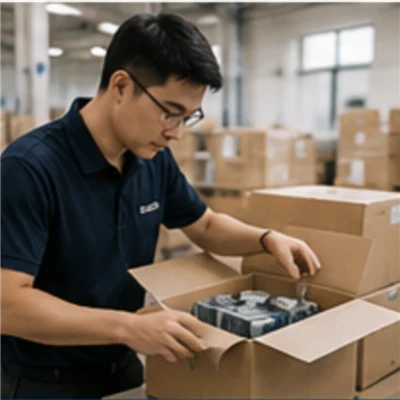
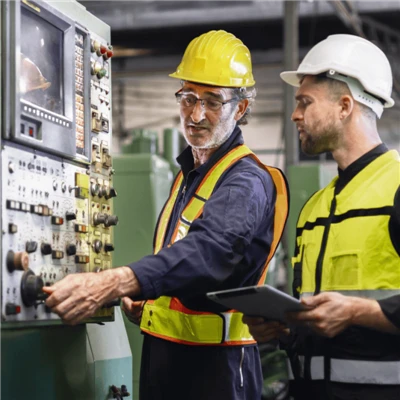
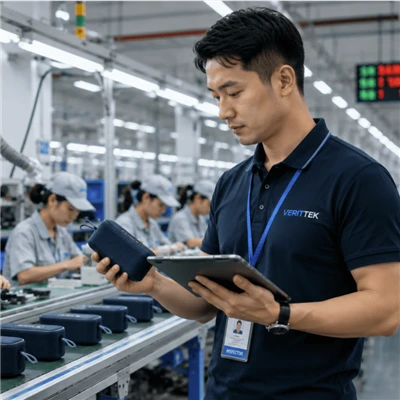
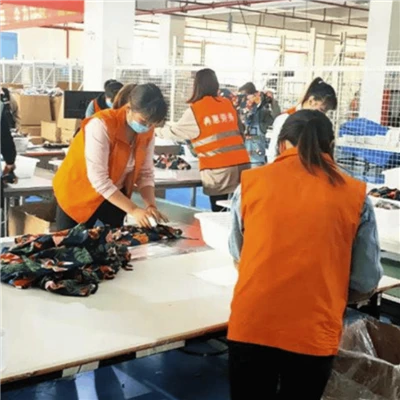
Factory audits typically refer to a comprehensive assessment of production plants in China conducted by a third-party professional organization or purchasing representative. This assessment covers multiple dimensions, including quality management systems (such as ISO 9001), social responsibility compliance (such as working conditions and wages), environmental health and safety (EHS), and counter-terrorism security (C-TPAT). Audit methods include document review, on-site inspections, employee interviews, and record tracing.
"In the past, many overseas clients only cared about whether the final product was up to standard, but now they pay more attention to every step of the production process," said a representative of an international certification body in China. "From raw material procurement to production line control and finished product inspection, factory audits help companies identify and eliminate potential risks, avoiding recalls, fines, and even legal disputes caused by quality problems or compliance loopholes."
Taking the Yangtze River Delta and Pearl River Delta regions as examples, many export-oriented factories have proactively introduced annual audit systems. For instance, a Zhejiang factory supplying parts to European car brands reduced its product defect rate from 3% to below 0.5% by implementing strict VDA 6.3 process audits, successfully passed carbon emission compliance checks, and won long-term orders. Another Guangdong electronics manufacturer discovered irregularities in its overtime recording during a client-led social responsibility audit. It subsequently rectified its scheduling system and increased employee training, not only preventing order losses but also improving employee satisfaction and production efficiency.
Meanwhile, the Chinese government has also strengthened compliance requirements for the manufacturing industry through the Product Quality Law, the Production Safety Law, and environmental protection supervision systems. The revised "Administrative Measures for the Legal Disclosure of Enterprise Environmental Information," released in 2024, further compels factories to disclose energy consumption and pollution discharge data, which implicitly drives enterprises to conduct self-audits and continuously improve.
Industry experts point out that factory audits are not a one-time "exam" but should be an integral part of daily enterprise management. Successful audit results can not only help factories obtain more international orders and reduce insurance and logistics costs, but also make them the preferred partner in the event of sudden supply chain disruptions. Conversely, companies that ignore audit requirements or attempt to falsify records may face the risk of being removed from customer supplier lists, suffering administrative penalties, or even losing their export qualifications.
In the future, with the application of digital technologies such as blockchain and the Internet of Things, remote auditing and real-time data monitoring will gradually become widespread. Chinese factories need to accelerate their digital transformation, making quality and compliance data transparent to meet the audit requirements of global customers in a more efficient and reliable manner. Only in this way can they achieve steady and sustainable progress in the wave of transformation from "Made in China" to "Quality Made in China."